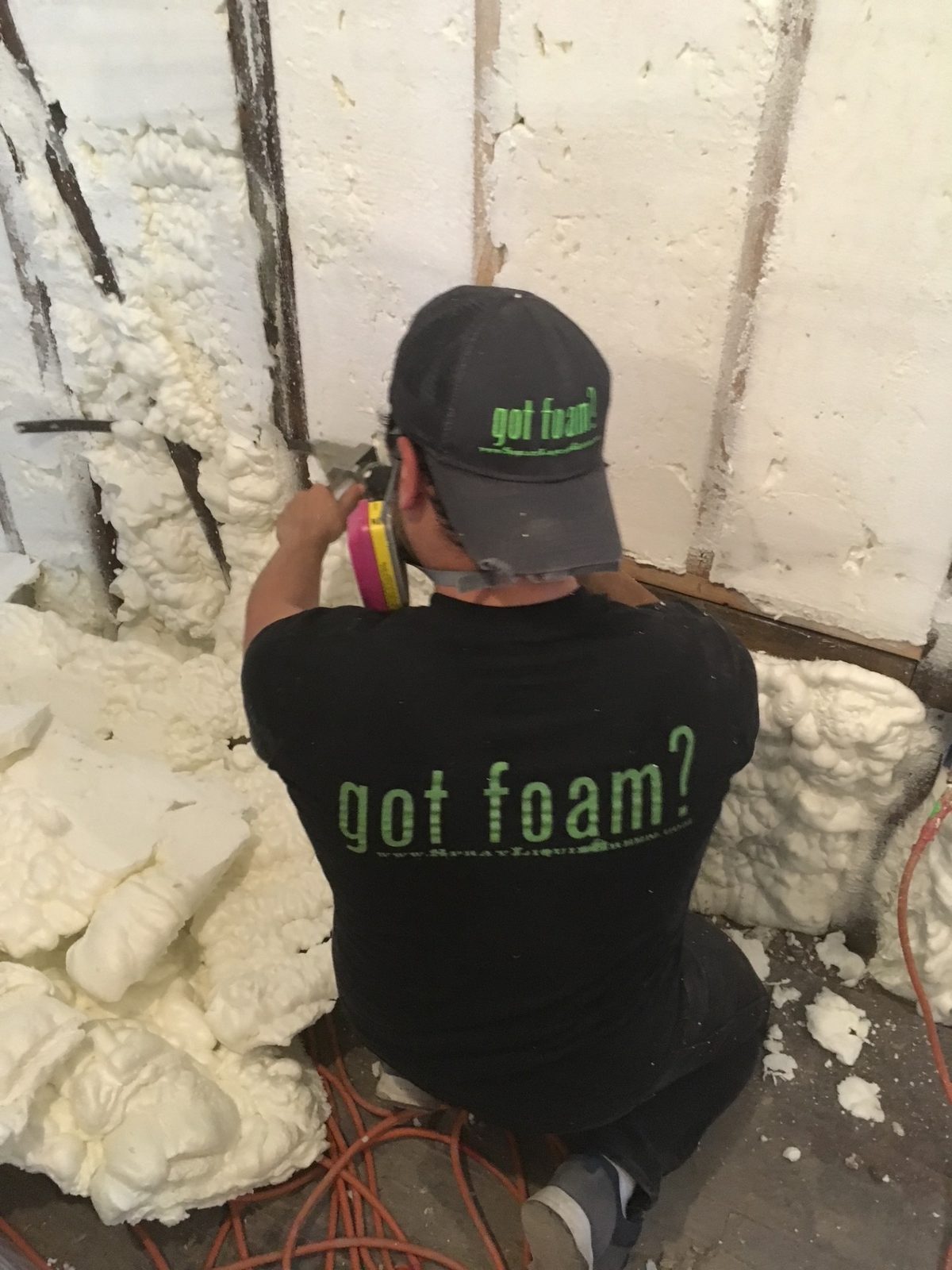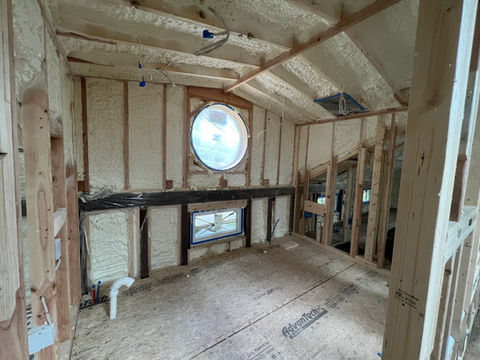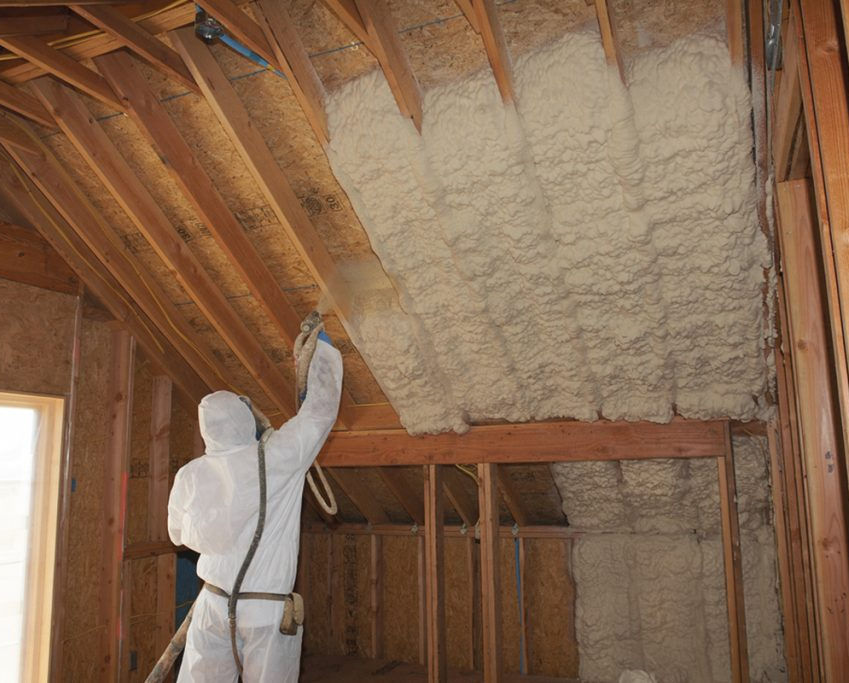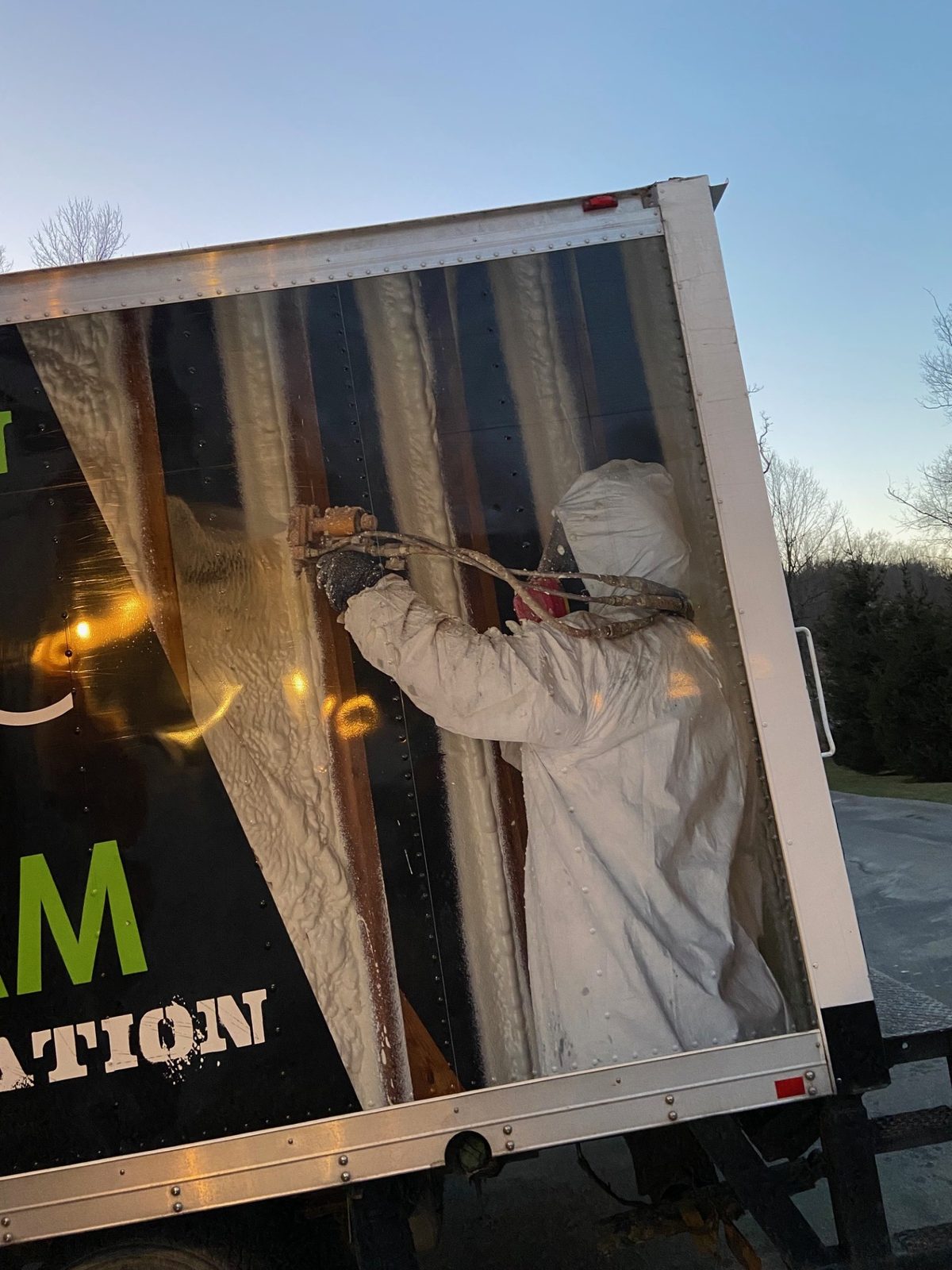
The Biggest Line Item in the Business
Spray foam insulation has a low barrier to entry by trade standards, but the equipment package is still the single largest line item in your startup. What is on the rig determines what jobs you can spray, how fast you spray them, and how long the equipment lasts.
Below is a line-by-line breakdown of a complete spray foam rig and what suppliers actually charge. All dollar figures come from publicly listed equipment supplier data and should be treated as benchmarks, not quotes.
The Core Components
A complete spray foam rig is a small, mobile chemical plant on wheels. The major components are the proportioner, the heated hose, the spray gun, the air compressor, the generator, the drum pumps, and the PPE. Add the truck or trailer that carries it all, and you have a working rig.
Each component has a clear job. The proportioner heats and pressurizes the two chemicals. The hose keeps them at temperature. The gun mixes and atomizes them. The compressor powers the gun and cleans the surface. The generator and drum pumps round out the system.
Proportioner: The Heart of the System
The proportioner is the most important piece of equipment on the rig. It heats the A and B side chemicals to the right temperature, pressurizes them, and pushes them through the hose at a precise 1:1 ratio. Get the ratio wrong and the foam does not perform.
When comparing proportioners, look at three numbers: heating capacity, maximum pressure (typically 1,000 to 3,500 psi), and maximum output in pounds per minute. For residential open-cell work, a 10 to 15 lb/min unit is enough. For commercial and closed-cell production, you want 25 lb/min or more. Major brands include Graco, PMC, and Gusmer, with new units from $8,000 to $30,000 depending on output, heating capacity, and power source.
Heated Hose: Why It Matters
The chemicals must stay within a tight temperature window from the proportioner to the spray gun. If they cool in transit, the ratio shifts and the foam suffers. A heated hose wraps both chemical lines in a heat trace and insulation jacket to keep them stable.
Length options run from 50 feet for simple residential jobs to 410 feet for commercial buildings. Jacketed hose is standard on professional rigs. A 210-foot jacketed hose from a major supplier typically lists in the $4,000 to $8,000 range.
Spray Gun: Purge vs Air-Purge
The spray gun is where the two chemicals finally meet and atomize into foam. Mechanical-purge guns use a solvent purge after each spray; air-purge guns use compressed air to clear the mixing chamber.
Air-purge guns are faster and more popular on production rigs, but they require more compressor capacity. Mechanical-purge guns are simpler and cheaper to maintain. The gun itself is a small line item — typically $500 to $1,500 — but the choice affects daily workflow.
Truck or Trailer
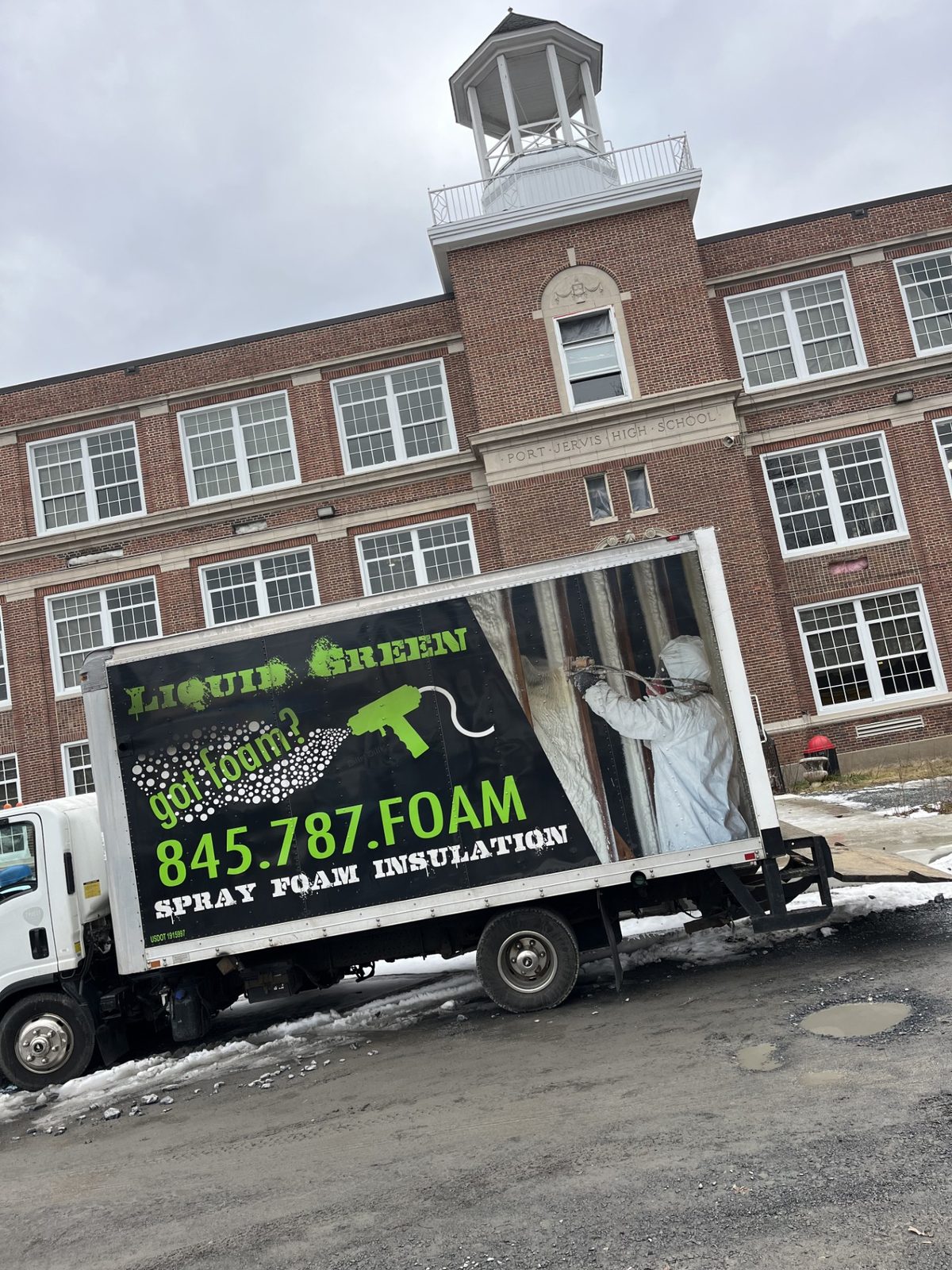
The rig needs a chassis. Most operators run a box truck or a pickup with a flatbed trailer. A used box truck in good shape runs roughly $10,000 to $25,000. A flatbed trailer with a generator and storage racks is often half that. Plan the layout before you mount anything so the proportioner, drums, hose reel, compressor, and PPE each have a defined spot and the weight is balanced for road handling.
PPE: Never an Afterthought
Personal protective equipment is non-negotiable. The minimum kit is a NIOSH-approved full-face respirator with organic vapor cartridges (or a supplied-air respirator), a Tyvek-style coverall, chemical-resistant gloves, and eye protection. Most crews also run an explosion-proof ventilation fan.
A full new PPE kit for a two-person crew runs roughly $500 to $1,500. The respirator is the one item you should never economize on.
Total Rig Cost: Entry-Level vs Professional
Per industry supplier data, complete spray foam rigs fall into two rough tiers.
| Tier | Typical Package | Indicative Cost |
|---|---|---|
| Entry-Level | 10–15 lb/min proportioner, 110 ft hose, mechanical-purge gun, small compressor, trailer | ~$25,000 – $40,000 |
| Professional | 25+ lb/min proportioner, 210–310 ft jacketed hose, air-purge gun, larger compressor, truck | ~$60,000 – $80,000+ |
Treat these as benchmarks, not quotes. Pricing varies with manufacturer, configuration, and current promotions. The right tier is the one that matches the jobs you plan to run.
Key point: The rig is roughly half of your total startup capital. Independent startup guides put total spray foam startup between $54,000 and $109,000, with the rig as the single largest line item.
Used vs New Equipment
Used spray foam rigs can save 30% to 50% off the price of a comparable new package, but the discount comes with risk. Proportioner pumps, heater elements, and hose insulation all wear with use, and a bad proportioner can cost more to rebuild than a new entry-level unit.
If you go used, have the rig inspected by a qualified service technician before you pay. Ask for service records, run the unit long enough to confirm stable pressures and temperatures, and check the hose for soft spots or kinks.
Maintenance and Lifespan
Daily: flush the gun, check fluid levels, inspect the hose. Weekly: clean filters, check pump packing, verify pressure ratios. Monthly: lubricate moving parts, inspect electrical connections, and run a full ratio check.
With that schedule, a well-maintained proportioner typically runs 7 to 10 years in daily service, with pump rebuilds along the way. Heated hose lasts 3 to 5 years. Spray guns, compressors, and generators have similar service lives with regular maintenance.
What to Look for in a Package
The price tag is only part of the value. Four things separate a good package from a cheap one.
- Warranty. At least 12-month parts and labor on the proportioner, with a separate warranty on the hose.
- Training. Hands-on startup training, not just a manual.
- Parts availability. Common wear parts should be in stock and ship fast.
- Technical support. Phone support with someone who has actually sprayed foam is worth more than gold when a job is on the line.
Common Mistakes to Avoid
A few errors come up again and again with new operators.
- Buying too small. A 10 lb/min rig on a commercial closed-cell job is the fastest way to lose money.
- Buying used without inspection. A failed proportioner mid-job costs you the day and the materials.
- Underinvesting in PPE. Cutting corners on respiratory protection puts your crew and your business at risk.
- Skipping the layout plan. A truck that looks fine in the lot can be unusable on a job site if the layout is wrong.
How the Rig Fits Into the Business Plan
As a rule of thumb, the equipment package is roughly half of your total startup capital. The rest goes to initial materials, insurance, licensing, marketing launch, and three to six months of working capital. Most lenders and franchisors expect to see that mix in the business plan.
Financing is available through equipment lenders, some manufacturer programs, and SBA loans for qualifying buyers. Treat the rig as a multi-year asset and shop the financing with the same care you shop the equipment. For a closer look at how the equipment package comes together inside a franchise system, the franchise overview walks through what operators launch with on day one.