The Question We Hear Most Often
Spray foam insulation is one of the most effective ways to seal and insulate a building, which is exactly why so many homeowners ask whether it is safe. The honest answer is yes — once it has fully cured, modern spray foam is chemically stable, code-compliant, and used in everything from single-family homes to schools and hospitals.
That said, "safe" comes with conditions. During installation, the uncured chemicals require respect: proper personal protective equipment, controlled ventilation, and clear re-entry times. The rest of this article walks through the science, the codes, and the questions worth asking your installer before any foam goes on the wall.
Once Cured, the Foam Is Inert
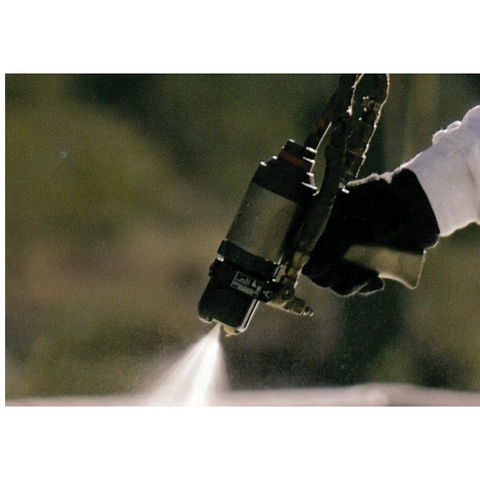
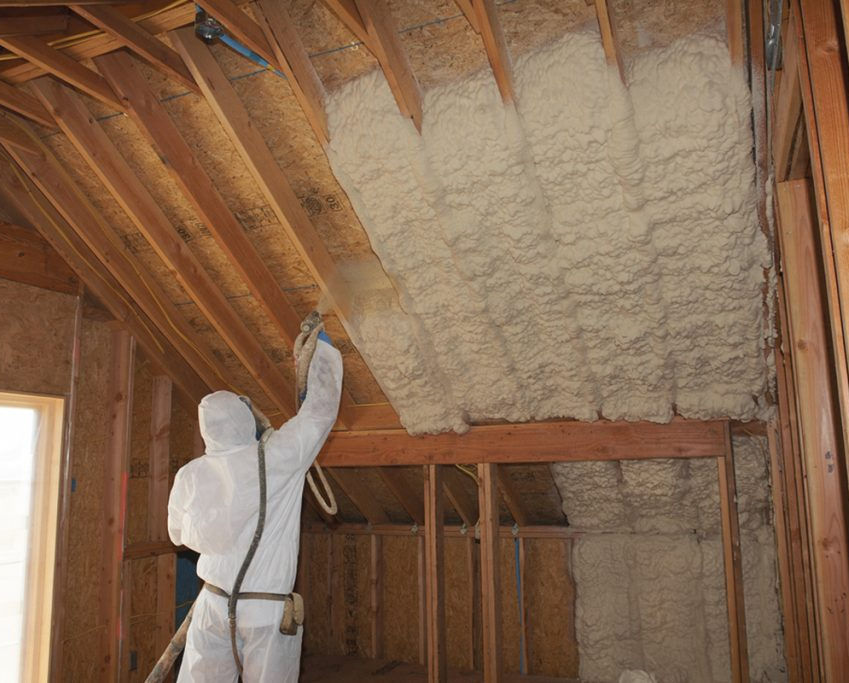
Spray polyurethane foam is created when two chemical components — commonly called the "A" side and the "B" side — are mixed at the spray gun. For the first minutes and hours after application, the foam is reacting, expanding, and off-gassing trace amounts of volatile organic compounds.
Most modern open- and closed-cell spray foams reach full cure within 24 to 48 hours, depending on temperature, humidity, and product thickness. After that, the cured foam is a stable thermoset plastic. It does not re-melt, re-expand, or release meaningful amounts of chemicals into the living space.
The U.S. Environmental Protection Agency has published guidance on spray foam and notes that off-gassing decreases substantially as the product cures, with indoor air levels typically falling to background concentrations within a few days under normal ventilation.
Fire Ratings and What They Mean
Fire performance is where spray foam is sometimes misunderstood. The foam used in homes and commercial buildings is not the same as the foam in a couch cushion. Building-grade spray foam is tested under ASTM E84, the Standard Test Method for Surface Burning Characteristics, and rated on a three-class scale.
- Class 1 (A): Flame Spread Index of 0 to 25. This is the rating required by most building codes for exposed foam and is what you should ask for in a residence.
- Class 2 (B): Flame Spread Index of 26 to 75. Permitted in some applications, but rarely used in living space.
- Class 3 (C): Flame Spread Index of 76 to 200. Suitable only for certain concealed assemblies.
Most quality residential spray foams carry a Class 1 rating out of the factory. Codes typically also require a separate thermal or ignition barrier over the foam, such as half-inch drywall, to complete the fire-resistant assembly.
Indoor Air Quality After Cure
Off-gassing is the most common concern we hear from homeowners. During installation, the chemicals do release small amounts of VOCs. After cure, however, third-party studies and the EPA's own spray foam guidance indicate that emissions drop to very low levels in well-ventilated buildings.
Building scientists generally consider cured spray foam a neutral product from an indoor air quality standpoint. It does not feed mold, it does not provide a food source for pests, and it does not release meaningful odors in normal use. In fact, by sealing the building envelope tightly, spray foam often improves indoor air quality by keeping out outdoor pollutants, dust, and allergens.
Key point: A tighter building envelope, paired with controlled mechanical ventilation, is widely considered healthier than a leaky one — and that is exactly what properly installed spray foam delivers.
During Installation: Stay Out
The active spray period is the only window where safety is a real concern for occupants. The two chemicals are reactive, and the spray creates an aerosol that should not be inhaled.
Standard industry practice is to evacuate the building during application and for at least 24 hours afterward. The installer will typically set up fans, open windows where possible, and re-enter the space only after ventilation is complete and readings fall within safe limits.
PPE for Installers
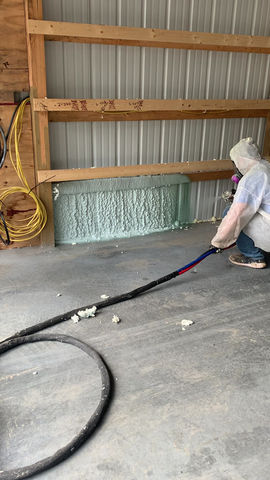
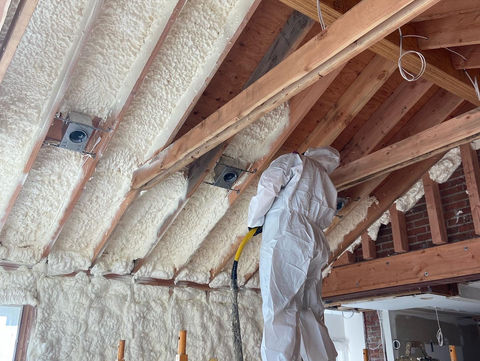
Professional spray foam installers wear full personal protective equipment on every job. At a minimum, that includes a supplied-air respirator or a NIOSH-approved full-face respirator with organic vapor cartridges, a Tyvek-style coverall, chemical-resistant gloves, and eye protection.
This is not optional, and it is also why a homeowner should never attempt a DIY spray foam job with retail kits in an occupied home. Trained crews know how to ventilate, contain overspray, and protect themselves, which is the entire point of using a professional.
Building Code Compliance
Spray foam insulation is recognized by every major U.S. building code. The International Code Council's International Residential Code (IRC) and International Building Code (IBC) both list spray foam as an approved insulation, provided it carries an ICC-ES evaluation report and meets the required fire, thermal, and air-permeability criteria.
Your installer should be able to show you the product's ICC-ES report, the manufacturer's data sheet, and the local code references that govern your specific assembly. If they cannot, that is a strong signal to find another contractor.
Common Misconceptions
A few myths still follow spray foam around online, and they deserve a direct answer.
- "Spray foam is toxic." No, after cure. The cured product is a stable plastic that does not release harmful chemicals in normal indoor conditions.
- "All spray foam is the same." No. Open-cell, closed-cell, and various manufacturer formulations behave differently for insulation value, moisture resistance, and fire rating.
- "It traps moisture and rots the building." No, when installed correctly. Closed-cell foam in particular acts as a vapor retarder and is often used on exterior assemblies.
What to Ask Your Installer
Before signing a contract, request three things. First, the manufacturer's product data sheet and ICC-ES report for the specific foam being installed. Second, the installer certifications — for example, the SPFA Spray Foam Professional certification or manufacturer-specific training. Third, a written ventilation and re-entry plan that explains how the home will be cleared during and after the install.
A contractor who provides those documents without hesitation is a contractor who knows their craft.
Special Considerations
For households with members who have severe chemical sensitivities, respiratory conditions, or compromised immune systems, the conversation with the installer should go deeper. Ask for the lowest-VOC formulation the manufacturer offers, request a longer re-entry period, and consider scheduling the install when the home can be ventilated aggressively for several days.
For existing homes with a known moisture problem, the building should be inspected first. Spray foam does not tolerate trapped water against wood framing, and the underlying issue needs to be fixed before any foam is applied.
The Verdict
Properly applied, code-compliant spray foam is one of the safest, highest-performing insulation options available. It seals the building, resists moisture, earns a Class 1 fire rating, and supports healthier indoor air by keeping outdoor contaminants out. The key is using a trained, certified installer who follows the manufacturer's protocol on PPE, ventilation, and re-entry.
Done right, spray foam does its job for the life of the building with no ongoing safety concerns.