The Short Answer
Yes. A spray foam insulation business can be very profitable, and the profit per job is often high. But how much you keep depends on how many jobs you win, how you price them, and how well you control waste.
Two numbers explain most of it. Your gross margin is what's left from a job after you pay for materials and labor. Your net margin is what's left after every other cost, like insurance, fuel, and overhead.
According to spray foam equipment suppliers, established contractors can work with gross margins of about 50% and net margins of 25%. Those figures come from the trade, not from an independent audit, so treat them as a benchmark rather than a promise.
How Spray Foam Businesses Actually Make Money
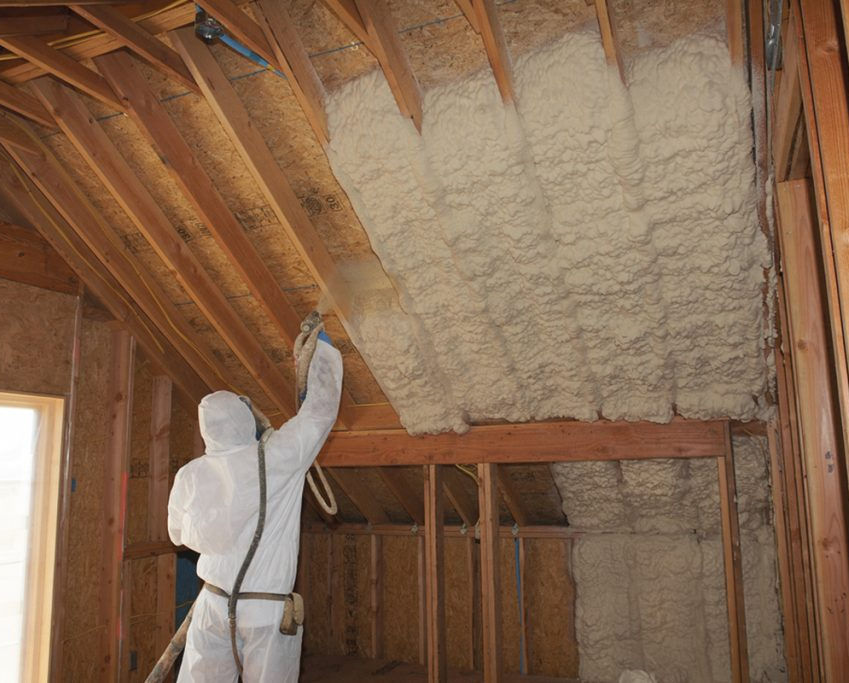
The model is simple. You get paid for each job you complete, and most jobs are priced by the square foot.
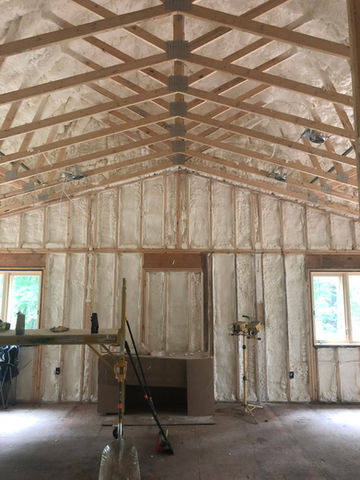
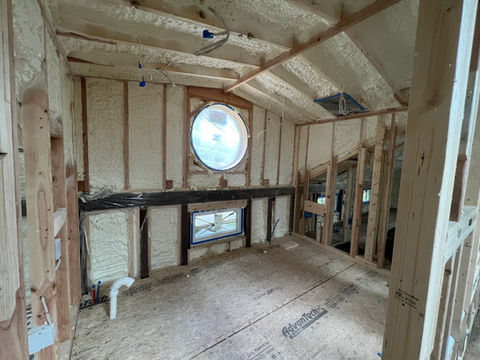
The type of foam you spray affects the price. Open-cell foam is lighter and cheaper, while closed-cell foam is denser and seals better, so it usually costs more. Liquid Green's open-cell and closed-cell products each fit different jobs and price points.
Prices also shift with the job. Per typical per-square-foot pricing, installing spray foam in new construction runs about $1 to $4 per square foot, while in existing homes the costs are higher — approximately $3 to $5 per square foot — because of extra prep work.
What a Single Job Earns
A common example used across the industry shows why the margins look strong. Here is an industry job-economics example for a typical residential job.
| Item | Amount |
|---|---|
| Job Revenue | $10,000 |
| Foam Material (2 sets) | ~$4,000 |
| Labor & Misc. Costs | ~$1,000 or less |
| Gross Profit | ~$5,000 |
| Time to Complete | 1–2 days |
This is an illustration from an equipment supplier, not a guarantee. Real jobs vary with the site, the foam, and how you bid.
Annual Revenue Potential
Scaled across a full year, the numbers add up fast. As those same spray foam equipment suppliers note, a single rig with a two-person crew can generate between half a million and a million dollars annually, depending on market demand and operational efficiency.
Keep in mind this is a ceiling, not a starting point. New owners usually build toward it as they win more work and speed up each job.
Key point: Revenue is not profit. What you keep depends on your material costs, labor, and how busy you stay.
Profit Margins Explained
It helps to picture where the money goes. On a healthy job, about half the revenue covers materials and labor, which leaves the gross margin near 50%.
From that gross profit, you still pay overhead like insurance, fuel, marketing, equipment upkeep, and, if you franchise, royalties. After all of that, trade sources put net profit near 25%.
- Materials and labor — the biggest cost, usually around half of each job.
- Overhead — insurance, fuel, maintenance, and marketing chip away at the rest.
- Waste — wasted chemicals from poor technique or bad calibration cut straight into profit.
Startup Costs and Return on Investment
The main upfront cost is your spray foam rig, which is the truck or trailer, proportioner, hoses, and guns. On top of that, you need materials, insurance, licensing, and some marketing.
According to a small-business startup guide, this brings your estimated startup capital to between $54,000 and $109,000. Fully loaded professional rigs can push the equipment cost higher.
Return on investment, or ROI, is how long it takes to earn back what you spent. Because job margins are high, payback can be quick, but vendor estimates vary widely — some suppliers cite one to two years, while another equipment guide points to roughly five years — so plan for a range rather than a single date.
What Affects Your Profitability
Strong margins do not appear on their own. A few forces decide whether you hit them.
- Competition — the insulation market is large and crowded. IBISWorld industry data puts the market size of Insulation Contractors in the US at $13.6bn in 2025, covering all insulation types, so local competition can squeeze your prices.
- Seasonality — cold weather can slow demand and affect how foam cures.
- Experience and bidding — underpricing a job or wasting material is one of the fastest ways to lose profit.
- Material prices — chemical costs rise and fall, and higher prices cut into margins if you don't adjust.
The last two are where many independent owners struggle, and they are also where the right training makes the biggest difference.
Is the Market Big Enough to Support Profits?
Demand is growing, which supports steady profits over time. The Grand View Research market report states the global spray foam market size was estimated at USD 2.34 billion in 2023 and is projected to reach USD 3.63 billion by 2030, growing at a CAGR of 6.5% from 2024 to 2030.
That demand comes from more than one place. Spray foam is used across the industries served by insulation contractors, including residential, commercial, and agricultural buildings, which gives you more ways to fill your schedule.
Franchise vs. Independent: Which Is More Profitable?
Going independent usually costs less to start, but you carry all the risk. You learn bidding, spraying, and marketing on your own, and early mistakes come straight out of your margins.
A franchise costs more upfront but lowers the biggest risks. You get a proven system, brand recognition, and a training and support overview that shortens the learning curve so you waste less material and price jobs correctly.
- Independent — lower entry cost, full control, but higher risk from inexperience.
- Franchise — higher and clearly defined investment, plus training and support that protect your margins.
With Liquid Green, the franchise investment details lay out the numbers so you can plan instead of guessing. It also helps you understand why spray foam outperforms other insulation, because that performance is what keeps customers buying.
Conclusion: Turning Spray Foam Into a Profitable Business
A spray foam business pairs high per-job margins with steady, growing demand. That combination is why so many people ask whether it's worth starting.
The profit is real, but so are the risks: competition, seasonality, and the costly mistakes that come with inexperience. A proven system removes much of that guesswork.
If you want a lower-risk path into a profitable trade, explore the franchise opportunity and see how the numbers could work for you.